In this guide
That corn-chip smell is usually normal: it comes from harmless bacteria and yeast living on your dog’s paws, mixed with a little sweat from the paw pads. It only needs a vet if it turns strong or sour, or comes with redness, licking or limping.
What causes the corn chip smell?
Your dog’s skin is home to lots of tiny microbes — bacteria and yeast — just like ours. On the paws, they have the perfect home:
- Dogs sweat through their paw pads. Unlike people, dogs have very few sweat glands on most of their body, but plenty on their feet.
- The spaces between the toes are warm and damp, especially in furry paws.
- Paws collect dirt, moisture and debris from every walk.
As the bacteria (commonly types called Pseudomonas and Proteus) and yeast break down sweat and skin oils, they release compounds with a slightly sweet, toasty, yeasty smell. Many people describe it as corn chips, popcorn or even fresh tortillas.
So, the “Frito feet” smell is basically a sign of normal, healthy skin life doing its thing.
Is it ever a problem?
A mild corn-chip smell is normal. But the paws can also tell you when something’s off. Book a vet visit if you notice:
- A smell that becomes strong, sour, musty or rotten
- Redness, swelling or heat between the toes or around the pads
- Brown or reddish staining on the fur (often from constant licking)
- Greasy, flaky or crusty skin
- Discharge, bumps or sores
- Your dog licking or chewing the paws a lot
- Limping or not wanting you to touch the foot
These can be signs of a yeast or bacterial infection, allergies (food or environmental allergies often show up in the paws), or something stuck between the toes, like a grass seed. Your vet can check and recommend the right treatment — please don’t try to treat an infection at home.
Paw smell decoder: what your nose is telling you
The AKC’s rule of thumb is simple: the corn-chip smell is normal, but a change in the smell — for example toward something like moldy cheese — is a reason to call the vet. This table helps you match what you smell with what you see.
| What you smell | What you see | Likely cause | What to do |
|---|---|---|---|
| Mild corn chips, popcorn, toasty | Normal pads, pink or pigmented skin, no licking | Normal skin bacteria and yeast | Nothing. Wipe and dry after wet walks |
| Stronger corn chips after a swim or rain | Damp fur between the toes | Moisture letting microbes multiply | Dry between every toe; trim paw fur |
| Musty, “old bread” or moldy cheese | Red or brownish skin, greasy feel, rust-stained fur, licking | Possible yeast overgrowth | Vet visit; ask about a skin sample |
| Sour, rotten or pus-like | Swelling, heat, oozing, bumps, sores | Possible bacterial infection | Vet visit within a day or two |
| Bad smell from one foot only | Limping, a lump or hole between the toes, constant licking of that paw | Something stuck (like a grass seed), a cut, or a cyst | Vet visit soon — foreign bodies can travel under the skin |
| Strong smell plus nail changes | Cracked, discolored or crusty nails or nail beds | Nail bed infection | Vet visit |
The 60-second paw check
Doing this once a week makes trouble easier to spot early. The AKC recommends regular foot checks and getting puppies used to having their feet handled young, so it isn’t a wrestling match later.
- Pick a calm moment — after a walk, when your dog is lying down. Have a treat ready.
- Hold the paw gently from behind, the way you’d hold it for a nail trim, not by the toes.
- Look at the pads. They should be intact, without cracks, cuts or blisters.
- Spread the toes with your thumbs and look at the skin between them. It should be the same color as the rest of the skin, not red, dark brown or shiny.
- Run a fingertip through the fur between the toes. Feel for lumps, grass seeds, burrs, ticks or matted hair.
- Sniff. Corn chips is fine. Note anything sour, musty or rotten.
- Check the nails and nail beds for cracks, swelling or discharge.
- Compare all four feet. One paw that looks, smells or feels different from the others matters more than overall smell.
- Treat and praise. Short, pleasant sessions make the next check easier.
Australian owners: add a tick check
On the east coast of Australia, paralysis ticks can be life-threatening for dogs. RSPCA Australia says they are generally found on the eastern seaboard from North Queensland down to Victoria, and advises a daily fingertip search that includes between each toe and the underside of the feet. Wobbly back legs, a changed bark, retching or breathing trouble after a tick bite need a vet immediately.
How to keep your dog’s paws fresh
You can’t (and shouldn’t) get rid of the normal microbes on your dog’s skin, but you can stop them from building up too much.
1. Wipe after walks
Use a damp cloth or an unscented, pet-safe wipe to clean the pads and between the toes after muddy or wet walks.
2. Dry thoroughly
This is the step most people skip. Moisture is what microbes love most. Dry between every toe with a towel after walks, baths and swimming.
3. Trim the paw fur
Long fur between the pads traps moisture and dirt. Ask your groomer to trim it, or carefully use small, round-tipped scissors or quiet clippers yourself.
4. Keep nails short
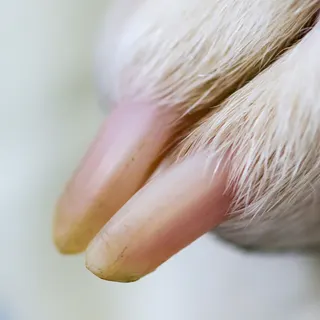
Long nails change how your dog walks and can make it harder to keep the toes clean. Trim them every 3–4 weeks — here’s how short dog nails should be.
5. Wash beds and blankets
Your dog’s bed soaks up paw smell. Wash it every week or two.
6. Don’t overdo it
Skip harsh soaps, perfumes, essential oils or daily scrubbing — they can irritate the skin and make problems worse. If you want to wash the paws, use a mild dog shampoo, rinse well and dry completely. For full baths, see how often to bathe your dog.
Myths vs reality
| Myth | Reality |
|---|---|
| “Frito feet means my dog is dirty.” | Clean, healthy dogs have it too. It’s normal skin microbes plus paw-pad moisture. |
| “A daily paw wash will stop it.” | The AKC advises against over-washing; wash only after mud, urine or feces, and rely on wiping and drying the rest of the time. |
| “Any paw smell means a yeast infection.” | Yeast overgrowth usually comes with other signs: redness, greasy or flaky skin, darkened skin and itching. Smell alone isn’t a diagnosis. |
| “A spritz of perfume or scented wipes will fix it.” | Scented products only mask odor and can be unpleasant for a dog’s far stronger nose. Use unscented, alcohol-free wipes. |
| “Licking keeps paws clean.” | Constant licking adds moisture and can irritate the pad skin, which helps infection take hold. |
Common mistakes with smelly paws
- Drying the top of the foot and skipping between the toes. That’s where the moisture sits.
- Leaving dog boots or socks on all day. They trap sweat. Take them off once you’re home and let paws air out.
- Putting human creams or ointments on paws. Dogs lick them off, and some ingredients aren’t safe to swallow. Ask your vet before applying anything.
- Home-treating red, swollen or oozing skin. Soaks and sprays can delay the right treatment for an infection that needs a vet diagnosis.
- Clipping paw fur with sharp, pointed scissors while the dog wriggles. Use round-tipped scissors or quiet clippers, or let a groomer do it.
- Treating the paws but ignoring the cause. If your dog licks because of allergies, the smell comes back until the itch is managed.
What happens at the vet
If the smell has changed or your dog keeps licking, your vet will usually look closely at the paws and take a quick sample from the skin — for example by pressing clear tape or a swab on it — to check under the microscope for yeast or bacteria. VCA notes that yeast dermatitis often shows up as itchy, red skin with a musty odor, and sometimes greasy, thickened or darkened skin. It isn’t contagious, and it often has an underlying trigger, such as allergic skin disease or oily skin.
Treatment depends on what the sample shows. For yeast, it is often a medicated shampoo or wipe (such as chlorhexidine or miconazole) that needs to stay on the skin for around 10 minutes before rinsing, and oral medication in stubborn cases. Bacterial infections may need antibiotics. Without treating an allergy behind it, the infection tends to return.
Why some dogs smell more than others
- Furry-footed breeds (like Golden Retrievers, Spaniels and Shih Tzus) trap more moisture.
- Dogs that swim a lot or live in humid climates have damp paws more often.
- Dogs with allergies often lick their paws, which spreads saliva and moisture.
- Older dogs may groom themselves less.
VCA lists several breeds as predisposed to yeast skin problems, including West Highland White Terriers, Basset Hounds, Cocker Spaniels, Shih Tzus, Poodles, Dachshunds and Boxers. If you own one of these breeds and the paw smell turns musty, see the vet sooner rather than later.
If you have a Golden, see our Golden Retriever care guide for more grooming tips.
Curious about what else your dog’s body is telling you? Read 12 signs your dog is happy.
Frequently asked questions
Is it normal for dog paws to smell like corn chips?
Yes, a mild corn-chip or popcorn smell is very common in healthy dogs. It comes from the normal bacteria and yeast that live on the skin, mixed with a little sweat from the paw pads.
What bacteria cause Frito feet?
The smell is often linked to common skin bacteria such as Pseudomonas and Proteus, plus yeast. They are normally present on dogs’ skin and usually harmless in small numbers.
Should I wash my dog’s feet every day?
Usually not. A quick wipe with a damp cloth or pet-safe wipe after muddy walks, followed by thorough drying, is enough for most dogs. Over-washing with harsh products can dry out the skin.
When is a smelly paw a problem?
Call your vet if the smell becomes strong, sour or rotten, or if you see redness, swelling, discharge, brown staining, hair loss, or your dog keeps licking, chewing or limping. These can be signs of a yeast or bacterial infection, allergies or something stuck in the paw.
Why does my dog’s whole body smell musty, not just the paws?
A musty smell from the skin, ears or skin folds can be a sign of yeast overgrowth, especially with itching, redness or greasy skin. It’s worth a vet visit, as it often has an underlying cause such as allergies.
Sources
- American Kennel Club — Why Do My Dog’s Feet Smell Like Fritos?
- VCA Animal Hospitals — Yeast Dermatitis in Dogs
- VCA Animal Hospitals — Pododermatitis (paw inflammation) in Dogs
- RSPCA Australia Knowledgebase — Dogs
We summarize what these organizations publish in plain English. How we write and check our guides.
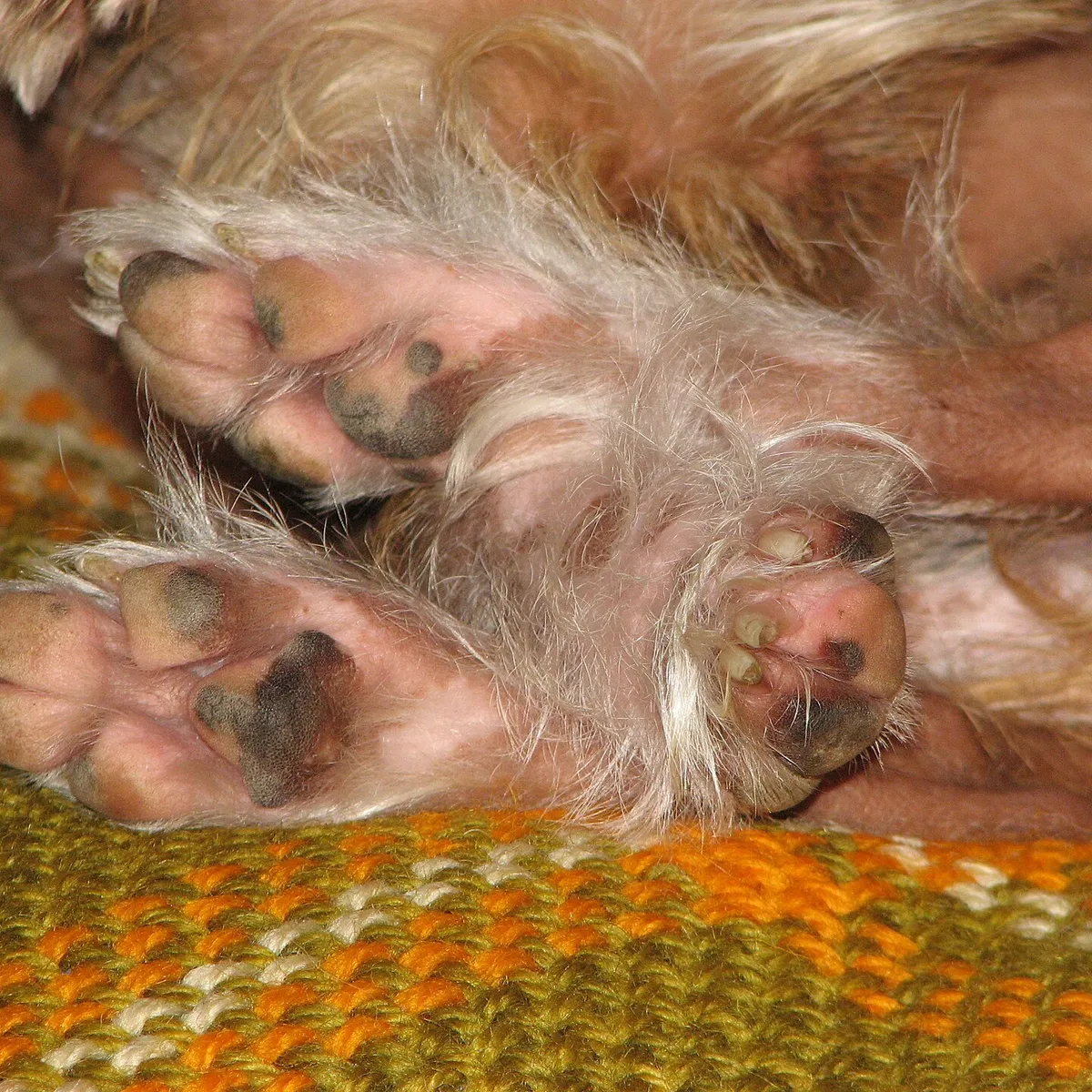
Photo: “Dog paws” by HTO, public domain, cropped.

Not a substitute for your vet
This guide is general information for healthy adult dogs. Every dog is different — age, size, allergies and health conditions all matter. Ask your veterinarian before changing your dog’s diet or care.
Possible poisoning? US: ASPCA Animal Poison Control (888) 426-4435 or Pet Poison Helpline (855) 764-7661 (fees may apply). Elsewhere: call your vet or nearest emergency animal hospital right away.
 Up next How Short Should Dog Nails Be? The Floor Test + Step-by-Step Trim
Save this for later — pin it to your dog board so you can find it fast.
Pin itKeep reading
-
How to Keep Your Dog Cool in the Heat
The 7-second pavement test, safe walking times, which dogs overheat fastest and the signs of heatstroke — for US and Australian summers.
7-second pavement test before walks -
12 Signs Your Dog Is Happy
Soft eyes, a wiggly body, the play bow and more: 12 clear signs your dog is happy, plus the stress signals that are easy to miss.
Loose body, soft eyes, open mouth -
Why Does My Dog Tilt Their Head?
Most head tilts mean your dog is listening hard. A tilt that doesn’t go away, with scratching, head shaking or wobbling, can be an ear or balance problem.
Constant tilt + scratching = see the vet