In this guide
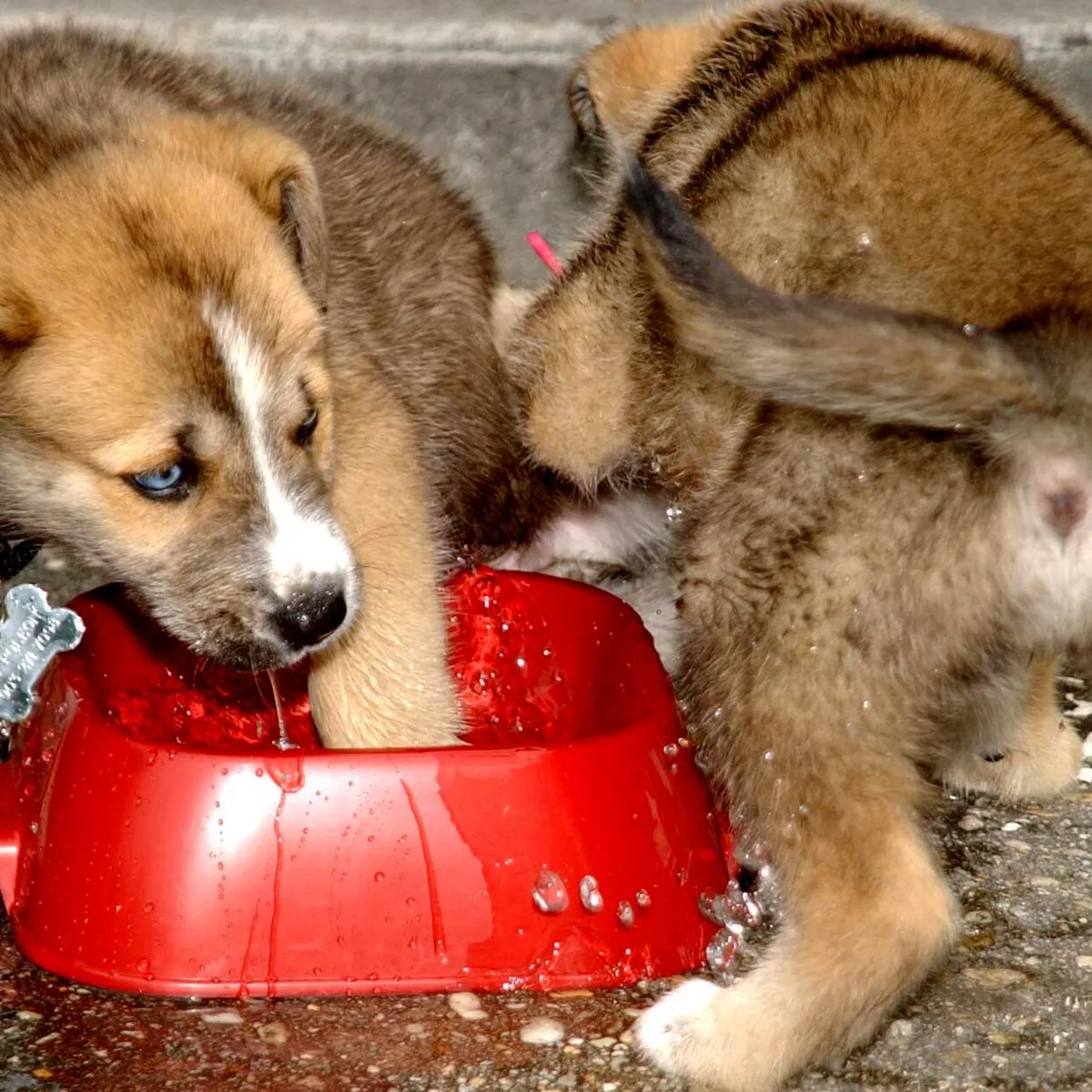
Wash your dog’s water bowl every day with hot, soapy water and refill it with fresh water. The slippery film you feel inside is biofilm — bacteria stuck to the bowl — and topping it up with new water doesn’t remove it.
Pet bowls are easy to forget. A household germ study by the public health organization NSF International found pet bowls among the germiest items in the home, ahead of many kitchen surfaces. The fix takes about a minute a day.
The daily routine (1 minute)
- Empty the old water.
- Scrub the inside with hot water, dish soap and a sponge or brush kept just for pet bowls.
- Rinse well so no soap taste is left.
- Dry or let air-dry, then refill with fresh, cool water.
- Wash your hands afterwards.
Food bowls should be washed after every meal, especially for wet food or raw food.
Weekly deep clean
- Run dishwasher-safe bowls through a hot dishwasher cycle.
- Clean the mat or tray under the bowls — spilled food and water collect there.
- For fountains: take apart and scrub the pump and tubes, and change filters as the maker recommends.
- Check bowls for scratches, chips or cracks where bacteria hide.
Which bowl material is best?
| Material | Pros | Cons | Verdict |
|---|---|---|---|
| Stainless steel | Durable, non-porous, dishwasher-safe | Can be noisy; light ones tip | Best everyday choice |
| Ceramic (glazed) | Heavy, doesn’t tip, easy to clean | Chips and cracks hold bacteria; can break | Good if intact — replace when chipped |
| Plastic | Cheap, light | Scratches easily, holds bacteria; some dogs get chin acne | Replace often, or avoid |
| Silicone (travel) | Collapsible | Harder to scrub | Travel only |
How much water does your dog need?
A common rule of thumb is about 1 oz of water per pound a day (roughly 60 ml per kg). More in hot weather, after exercise or for dogs on dry food.
| Dog weight | Roughly per day |
|---|---|
| 10 lb (4.5 kg) | ~10 oz (300 ml) |
| 30 lb (13.6 kg) | ~30 oz (900 ml) |
| 60 lb (27 kg) | ~60 oz (1.8 L) |
Always leave water available. If your dog suddenly drinks a lot more or a lot less than usual, tell your vet — it can be an early sign of illness.
Summer tips
- Put water bowls in the shade and add a second bowl outside.
- Bring water on walks — a hot dog drinks fast. More in our hot weather guide.
- Freeze a few blueberries in an ice cube for a cool treat (see human foods dogs can eat).
Keeping bowls clean goes with the rest of the daily care basics: feeding the right amount and regular baths.
Frequently asked questions
Why is my dog’s water bowl slimy?
The slime is biofilm — bacteria from your dog’s mouth, food and the environment that form a sticky layer. Rinsing doesn’t remove it; scrubbing with soap and hot water does.
Can I put dog bowls in the dishwasher?
Yes, if the bowl is dishwasher-safe. A hot dishwasher cycle is a great way to clean stainless steel and ceramic bowls. Some cautious owners run pet bowls in a separate load.
How often should I clean a pet water fountain?
Rinse and refill as the maker suggests, take it apart and scrub it about once a week, and change the filter as recommended. Fountains still grow biofilm in the pump and tubes.
How much water does a dog need a day?
A common rule of thumb is about 1 ounce of water per pound of body weight a day (around 60 ml per kg), more in hot weather or after exercise. Sudden big changes in drinking are worth mentioning to your vet.
Sources
We summarize what these organizations publish in plain English. How we write and check our guides.
Photo: “USMC-08965” by U.S. Marine Corps, public domain, cropped.

Not a substitute for your vet
This guide is general information for healthy adult dogs. Every dog is different — age, size, allergies and health conditions all matter. Ask your veterinarian before changing your dog’s diet or care.
Possible poisoning? US: ASPCA Animal Poison Control (888) 426-4435 or Pet Poison Helpline (855) 764-7661 (fees may apply). Elsewhere: call your vet or nearest emergency animal hospital right away.
 Up next How Often Should You Bathe Your Dog? (Chart by Coat Type)
Save this for later — pin it to your dog board so you can find it fast.
Pin itKeep reading
-
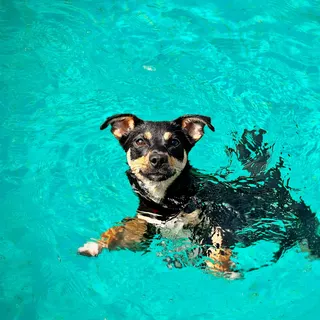
How to Keep Your Dog Cool in the Heat
The 7-second pavement test, safe walking times, which dogs overheat fastest and the signs of heatstroke — for US and Australian summers.
7-second pavement test before walks -
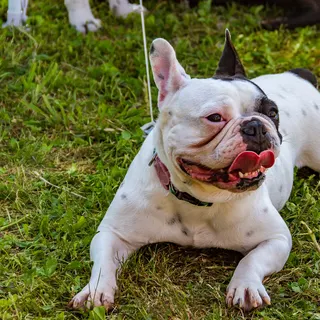
12 Signs Your Dog Is Happy
Soft eyes, a wiggly body, the play bow and more: 12 clear signs your dog is happy, plus the stress signals that are easy to miss.
Loose body, soft eyes, open mouth -
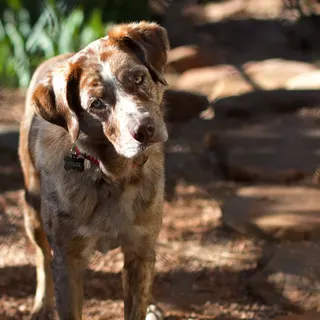
Why Does My Dog Tilt Their Head?
Most head tilts mean your dog is listening hard. A tilt that doesn’t go away, with scratching, head shaking or wobbling, can be an ear or balance problem.
Constant tilt + scratching = see the vet