In this guide
- 12 signs your dog is happy
- Happy, stressed or over-excited? A head-to-tail chart
- Does a wagging tail always mean a happy dog?
- Happy zoomies vs stressed zoomies
- Signals that are easy to misread
- 5 signs your dog may NOT be happy
- Is it unhappiness or separation anxiety?
- Build your dog’s “happy baseline” in one week
- Common mistakes when reading a dog
- When a mood change needs the vet
- Simple ways to make your dog happier
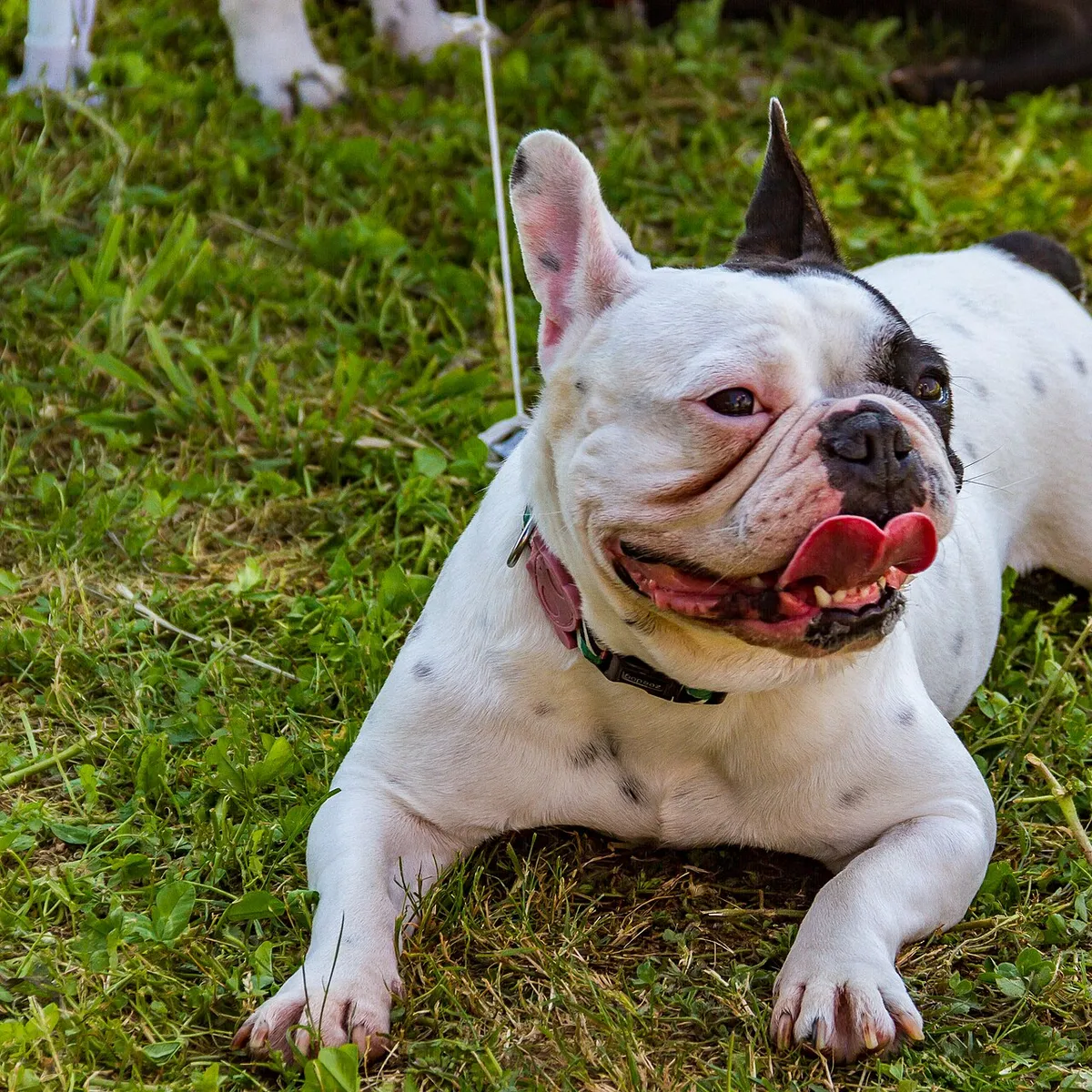
A happy dog usually has a loose, wiggly body, soft eyes and a relaxed, open mouth — and eats, sleeps and plays normally. Here are 12 signs to look for, plus the quiet stress signals many owners miss.
12 signs your dog is happy
1. A loose, wiggly body
Happy dogs look relaxed and floppy. The whole body might wiggle, especially when you come home. Stiff, frozen muscles are the opposite.
2. Soft eyes
Relaxed eyes look normal-shaped, with a soft gaze and blinking. A hard stare or wide eyes showing lots of white can mean discomfort.
3. A relaxed, open mouth
Many happy dogs have a slightly open mouth with the tongue hanging out — the classic “dog smile”. A tightly closed mouth can mean they’re alert or uneasy.
4. The “helicopter” or full-body wag
A wide, sweeping wag where the hips move too is usually a joyful wag. Some dogs even spin their tail in circles.
5. The play bow
Front legs down, bottom up in the air: that’s an invitation to play. It’s one of the clearest happy signals in dog language.
6. Zoomies
Sudden bursts of running in circles (vets call them FRAPs, or frenetic random activity periods) are usually a sign of excitement and joy — often after a bath, a walk or a poop.
7. Belly-up and relaxed
A dog lying on their back with a loose body, floppy legs and soft face is very relaxed and trusting. (Not every belly-up dog wants a belly rub, though — some are just comfy.)
8. Leaning on you
Leaning against your legs or snuggling into you is a sign of affection and trust.
9. A healthy appetite
Content dogs usually eat well and look forward to meals. A sudden change in appetite is worth noticing — and mentioning to your vet if it lasts.
10. Good, regular sleep
Adult dogs sleep a lot — often 12 to 14 hours a day. Restful sleep, stretching and sighing contentedly are good signs. Restlessness or not settling can point to stress, pain or boredom.
11. Playfulness
Bringing you toys, play-growling during tug, or bouncing around are signs of a dog who feels good. Even senior dogs often enjoy gentle play.
12. They follow you around (calmly)
Wanting to be in the same room as you is a sign of attachment. The key is calmly — panicky following when you leave can be a sign of separation anxiety.
Happy, stressed or over-excited? A head-to-tail chart
Single signals mislead; clusters don’t. Scan your dog from nose to tail and see which column most of the answers fall into. The descriptions follow the AKC’s guide to dog body language.
| Body part | Relaxed and happy | Stressed or scared | Over-aroused (excited, tense) |
|---|---|---|---|
| Eyes | Soft, normal shape, blinking | Whale eye (whites showing), looking away | Hard, fixed, unblinking stare |
| Mouth | Loose, slightly open, tongue may show | Closed tight, yawning, quick tongue flicks | Closed, or lips pulled forward; snarl is a warning |
| Ears | Natural position for the breed | Pinned flat back | Pricked hard forward |
| Tail | Mid-height, slow sweeping wag | Low or tucked between the legs | High, stiff, fast twitchy wag |
| Body | Loose, weight evenly spread, wiggly | Crouched low, trying to look small | Weight shifted forward, stiff |
| Hackles | Flat | May rise | Often raised (arousal, not automatically aggression) |
How to use it: if three or more body parts land in the middle or right column, give your dog space and remove whatever is bothering them, rather than trying to cuddle the feeling away.
Does a wagging tail always mean a happy dog?
No — this is the most common myth. A wagging tail means a dog is emotionally aroused, which can be happy or tense. Read the whole body:
| Happy wag | Tense wag |
|---|---|
| Loose, sweeping, mid-height | Stiff, held high, fast and short |
| Wiggly body | Frozen or stiff body |
| Soft eyes, open mouth | Hard stare, closed mouth |
Does the side of the wag matter?
Possibly. The AKC points to a study in Current Biology suggesting that a wag that swings more to the dog’s right goes with a more relaxed dog, while a left-leaning wag can go with a more alert or anxious one. It’s subtle and hard to see in real time, so treat it as a bonus clue, not a test. A slow, hesitant wag can also mean a dog is unsure.
Happy zoomies vs stressed zoomies
Zoomies made the happy list, but they aren’t always joyful. Cornell’s canine health center notes that nobody knows exactly why dogs get them, and they may be a way to release pent-up energy or to relieve stress.
| Happy zoomies | Stress zoomies | |
|---|---|---|
| Body | Loose, bouncy, may tuck the rear while running | Tense, low head |
| Face | Tongue out, open mouth | Wide eyes, ears pinned back |
| Tail | Wagging or tucked only while sprinting | Tucked tight against the belly |
| Often follows | You coming home, a bath, play, a poop | An overwhelming training session, a scary noise |
| Ends with | Panting, a play bow, flopping down | Hiding, trembling, struggling to settle |
Either way, keep the sprint safe: away from stairs, roads and slippery floors, ideally on grass. If your dog zooms often at odd hours, Cornell suggests more exercise and brain work — new walking routes, scent games, swimming.
Signals that are easy to misread
| What you see | What people assume | What it often means |
|---|---|---|
| Dog rolls onto their back | “Rub my belly!” | Can be comfort, but can also be appeasement when a dog feels pressured. A stiff body, tucked tail or whale eye says “please stop” |
| Front teeth showing, body wiggly | Aggression | A “submissive grin” — friendly and appeasing |
| A big yawn | Tired | Often stress, if it happens at the vet, during a hug or during a telling-off |
| Raised hackles | “He’s about to attack” | Arousal — could be excitement, fear or uncertainty |
| Lip licking | Hungry | Normal after eating; at other times it can be a stress signal |
| Dog turns head away | Ignoring you | A polite way to defuse tension |
5 signs your dog may NOT be happy
These are stress signals. One on its own isn’t a crisis, but a pattern is worth paying attention to.
- Lip licking or yawning when they’re not tired or hungry.
- Whale eye: the whites of the eyes show as they look away.
- Tucked tail and lowered body.
- Ears pinned back flat.
- Hiding, avoiding contact or suddenly growling.
Other changes to watch: destructive chewing, excessive licking of paws (see why paws can smell like corn chips), toileting accidents in a house-trained dog, and changes in sleep or appetite.
Behavior changes can be a sign of pain or illness, not just mood. If your dog seems “off” for more than a day or two, or the change is sudden, book a vet visit. Pale or very dark gums are an emergency — check our dog gum color chart.
Is it unhappiness or separation anxiety?
A dog who seems fine with you around but falls apart when you leave may have separation anxiety rather than a general mood problem. The ASPCA’s separation anxiety guide lists signs that happen mostly when the dog is alone: house-soiling, barking or howling, chewing and digging at doors or windows, escape attempts and pacing. A quick test: set up a phone camera before you leave for 30 minutes. If the trouble starts within minutes of the door closing, talk to your vet about it.
Build your dog’s “happy baseline” in one week
Owners notice change much faster when they know what normal looks like. Spend a week jotting down a few lines a day (a notes app is fine):
- Morning greeting. Wiggly, slow, or skipped? Note it.
- Meals. Did your dog finish, and how fast?
- Walk. How much sniffing, pulling and interest in other dogs?
- Play. Did they start a game or bring a toy?
- Sleep. Where, roughly how long, and did they settle easily?
- Toilet habits. Any accidents or changes?
- One odd thing. Anything new — a growl, hiding, licking a paw.
After seven days you’ll have a picture of your dog, not an average dog. A lively terrier and a laid-back Basset can both be perfectly happy while looking very different. Later, if two or three of those lines change at once and stay changed, that’s your cue to call the vet.
Common mistakes when reading a dog
- Judging one signal in isolation. A wag, a yawn or a belly-up roll means little until you check eyes, mouth and body.
- Hugging a dog who goes stiff. Many dogs merely tolerate hugs. If your dog freezes, looks away or licks their lips mid-hug, let go.
- Punishing a growl. A growl is a warning. Punish it and some dogs learn to skip the warning, not the feeling behind it.
- Forgetting the setting. Panting on a hot day is cooling, not stress; panting in a cool waiting room may be nerves.
- Assuming a quiet dog is a content dog. Some stressed dogs shut down and go still rather than act out.
- Comparing with another dog. Breeds and individuals differ: a Greyhound naturally carries the tail low, and some Spitz types always hold theirs curled high.
When a mood change needs the vet
Behavior is often the first clue to a health problem. Book a visit if your dog:
- Stops greeting you, playing or wanting walks for more than a day or two
- Snaps or growls when touched in one particular spot (a common sign of pain)
- Struggles to settle at night, keeps shifting or won’t lie down
- Licks or chews one area over and over
- Eats much less, or much more, than their baseline
- Has accidents after being reliably house-trained
Go the same day for sudden collapse, repeated vomiting, a swollen tight belly, trouble breathing or very pale gums. Heat can also change behavior fast — see how to keep your dog cool in hot weather for the signs of overheating.
Simple ways to make your dog happier
- Sniff walks: let your dog stop and smell. Sniffing is mental exercise and very satisfying for dogs.
- Routine: regular times for meals, walks and sleep help dogs feel secure.
- Brain games: puzzle feeders, scatter feeding and short training sessions.
- Healthy food: the right amount of a complete diet. See how much to feed your dog.
- A homemade treat now and then: try our 3-ingredient frozen dog treats.
- Time with you. For most dogs, that’s the best part of the day.
Frequently asked questions
Does a wagging tail always mean a dog is happy?
No. A wag shows that a dog is aroused or emotionally engaged, not always happy. A loose, sweeping wag with a wiggly body usually means happy. A stiff, high, fast wag can mean tension. Look at the whole body.
Why does my dog lean on me?
Leaning is often a sign of affection and trust — your dog wants to be close. Some dogs also lean when they feel unsure and want comfort, so check the rest of their body language.
Do dogs smile?
Many happy dogs have a relaxed, open mouth with the tongue showing, which looks like a smile. Some dogs also show a 'submissive grin', where they pull their lips back — it’s a friendly, appeasing gesture, not aggression.
How can I make my dog happier?
Daily walks and sniffing, play, training games, a good routine, a comfy place to sleep, regular vet care and lots of time with you. Most dogs are happiest when their days are predictable and they get to use their nose and brain.
Why does my dog yawn when I hug them?
Dogs often yawn when they feel stressed or uncomfortable, not just tired. If your dog yawns, licks their lips, looks away or goes stiff during a hug, they are probably tolerating it rather than enjoying it. Try a scratch on the chest instead.
Sources
- American Kennel Club — How to Read Dog Body Language
- American Kennel Club — Health advice
- Cornell Riney Canine Health Center — Canine Health Topics
- ASPCA — Separation Anxiety
We summarize what these organizations publish in plain English. How we write and check our guides.
Photo: “Encontro Dog Institute (41038159155)” by Lua Bittencourt from Porto, Portugal, CC BY 2.0, cropped.

Not a substitute for your vet
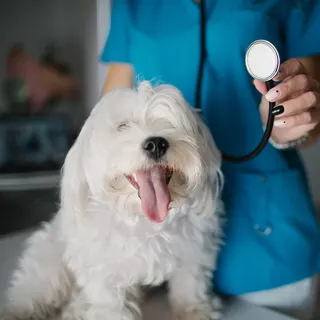
This guide is general information for healthy adult dogs. Every dog is different — age, size, allergies and health conditions all matter. Ask your veterinarian before changing your dog’s diet or care.
Possible poisoning? US: ASPCA Animal Poison Control (888) 426-4435 or Pet Poison Helpline (855) 764-7661 (fees may apply). Elsewhere: call your vet or nearest emergency animal hospital right away.
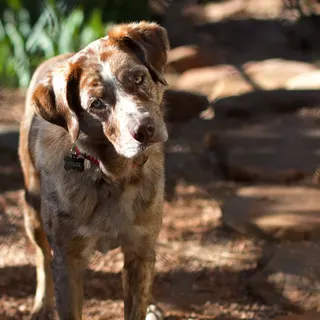 Up next Why Does My Dog Tilt Their Head? (Cute vs. Ear Problem)
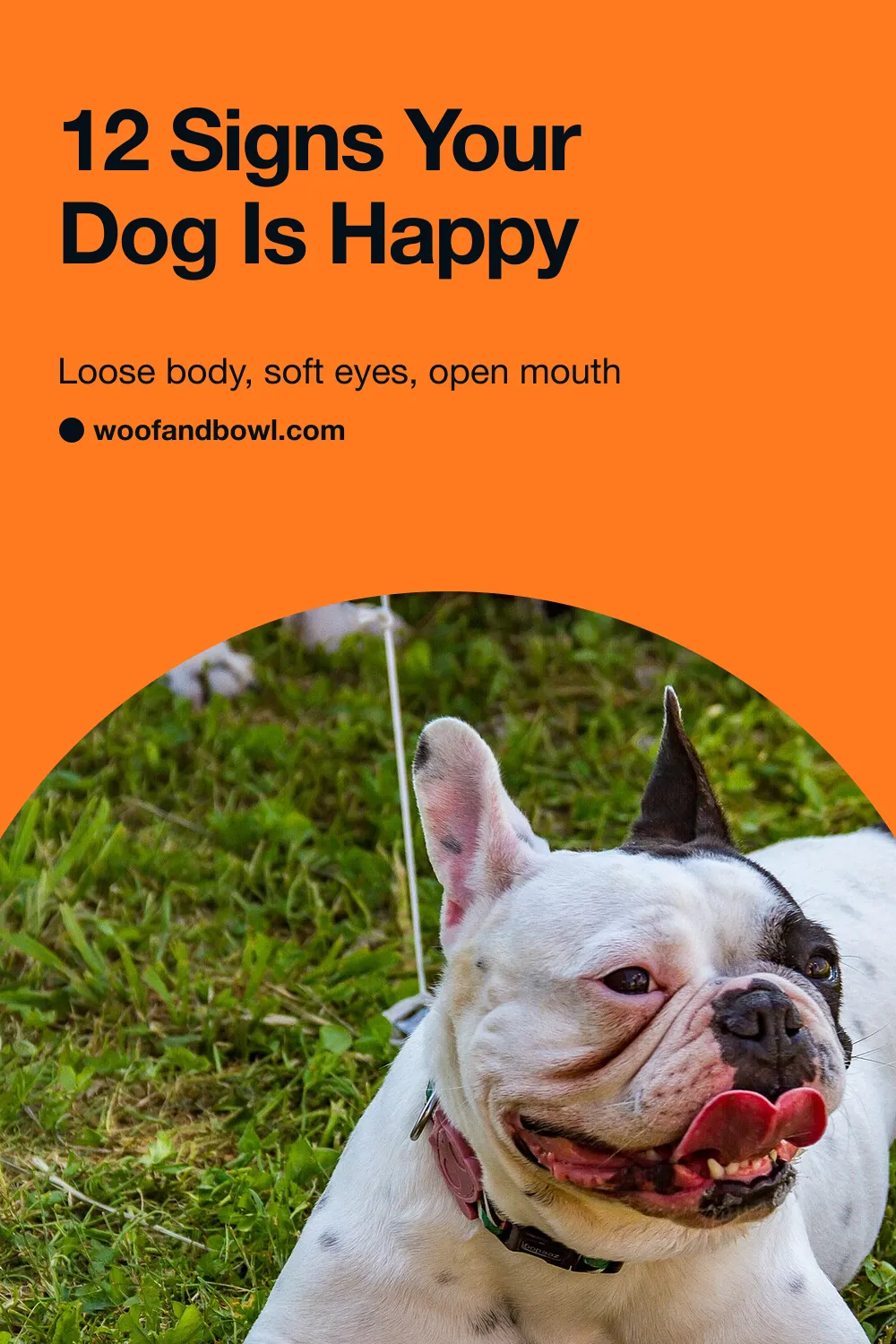
Save this for later — pin it to your dog board so you can find it fast.
Pin itKeep reading
-
How Short Should Dog Nails Be?
Dog nails should not touch the floor when your dog stands. How to check, how to trim without hitting the quick, and how often to do it.
Click-click on the floor = too long -

How to Keep Your Dog Cool in the Heat
The 7-second pavement test, safe walking times, which dogs overheat fastest and the signs of heatstroke — for US and Australian summers.
7-second pavement test before walks -
Why Do Dog Paws Smell Like Fritos?
That corn-chip smell from your dog’s paws is usually normal bacteria and yeast. Here’s why it happens, how to keep paws clean and when to call the vet.
Usually normal bacteria & yeast