In this guide
Most dogs need a bath every 4–8 weeks, or whenever they’re dirty or smelly. Coat type changes the number: long, silky and curly coats usually need baths more often, while short, smooth coats can go longer. Brushing in between matters more than extra baths.
Bath frequency by coat type
| Coat type | Example breeds | How often to bathe | Brushing |
|---|---|---|---|
| Short & smooth | Beagle, Boxer, Labrador | Every 6–12 weeks | Weekly |
| Double coat | Golden Retriever, Husky, German Shepherd | Every 4–8 weeks | 2–4× a week; daily when shedding |
| Long & silky | Shih Tzu, Yorkshire Terrier, Maltese | Every 3–6 weeks | Daily or every other day |
| Curly / “hair” coat | Poodle, Doodles, Bichon | Every 3–6 weeks | Several times a week |
| Wire coat | Schnauzer, Wire Fox Terrier | Every 6–12 weeks | Weekly |
| Wrinkly breeds | French Bulldog, Pug, Shar-Pei | Every 4–8 weeks | Clean folds 2–3× a week |
| Hairless | Chinese Crested, Xolo | Every 1–2 weeks | Sun protection instead |
Always bathe sooner if your dog rolls in something, gets into mud or sea water, or smells.
Signs it’s time for a bath
- A “doggy” smell when you pet them
- Greasy or dull coat
- Visible dirt, sand or burrs
- After swimming in a lake, the ocean or a chlorinated pool
If your dog smells bad again within a few days, look for a cause: ears, teeth, skin folds or anal glands. See your vet if you notice itching, redness, flakes or hair loss.
How to bathe your dog (step by step)
- Brush first to remove loose hair and tangles. Water makes mats tighter.
- Use lukewarm water — test it on your wrist.
- Wet the coat to the skin, starting at the neck and working back. Keep water out of ears and eyes.
- Use a dog shampoo, lather, and massage in for a couple of minutes.
- Rinse, then rinse again. Leftover shampoo is a top cause of itchy skin.
- Wash the face with a damp cloth.
- Towel-dry thoroughly, especially ears, skin folds and between the toes. Use a hairdryer on cool or low only if your dog is comfortable with it.
- Reward. Treats during and after make the next bath easier.
Mistakes to avoid
- Human shampoo or dish soap — too harsh for dog skin.
- Not drying ears — damp ears can lead to infections (see why dogs tilt their heads).
- Shaving double coats for summer — the coat helps protect from heat and sun. Brush out the undercoat instead.
- Bathing too often with regular shampoo — it can strip natural oils.
Breed-specific tips: Golden Retriever, French Bulldog and Labrador care guides. While your dog is relaxed after the bath, it’s a great time to check their nails.
Frequently asked questions
Can I use human shampoo on my dog?
It’s better not to. Dog skin has a different pH from human skin, and human shampoos can dry it out. Use a mild dog shampoo, or the medicated one your vet prescribed.
Is it bad to bathe a dog every week?
For most dogs, weekly baths with regular shampoo are more than they need and can dry the skin. Some skin conditions do need frequent medicated baths — follow your vet’s plan.
How often should I bathe a puppy?
Only when needed. Use a gentle puppy shampoo, warm water and keep it short and positive. Many vets suggest waiting until puppies are settled in their new home and a few months old for full baths.
Why does my dog still smell after a bath?
Common causes are a coat that wasn’t dried fully, dirty bedding, ear infections, dental disease or skin problems. If the smell comes back fast, ask your vet.
Sources
- American Kennel Club — Grooming advice
- ASPCA — General Dog Care
- Merck Veterinary Manual — Skin Disorders of Dogs
We summarize what these organizations publish in plain English. How we write and check our guides.
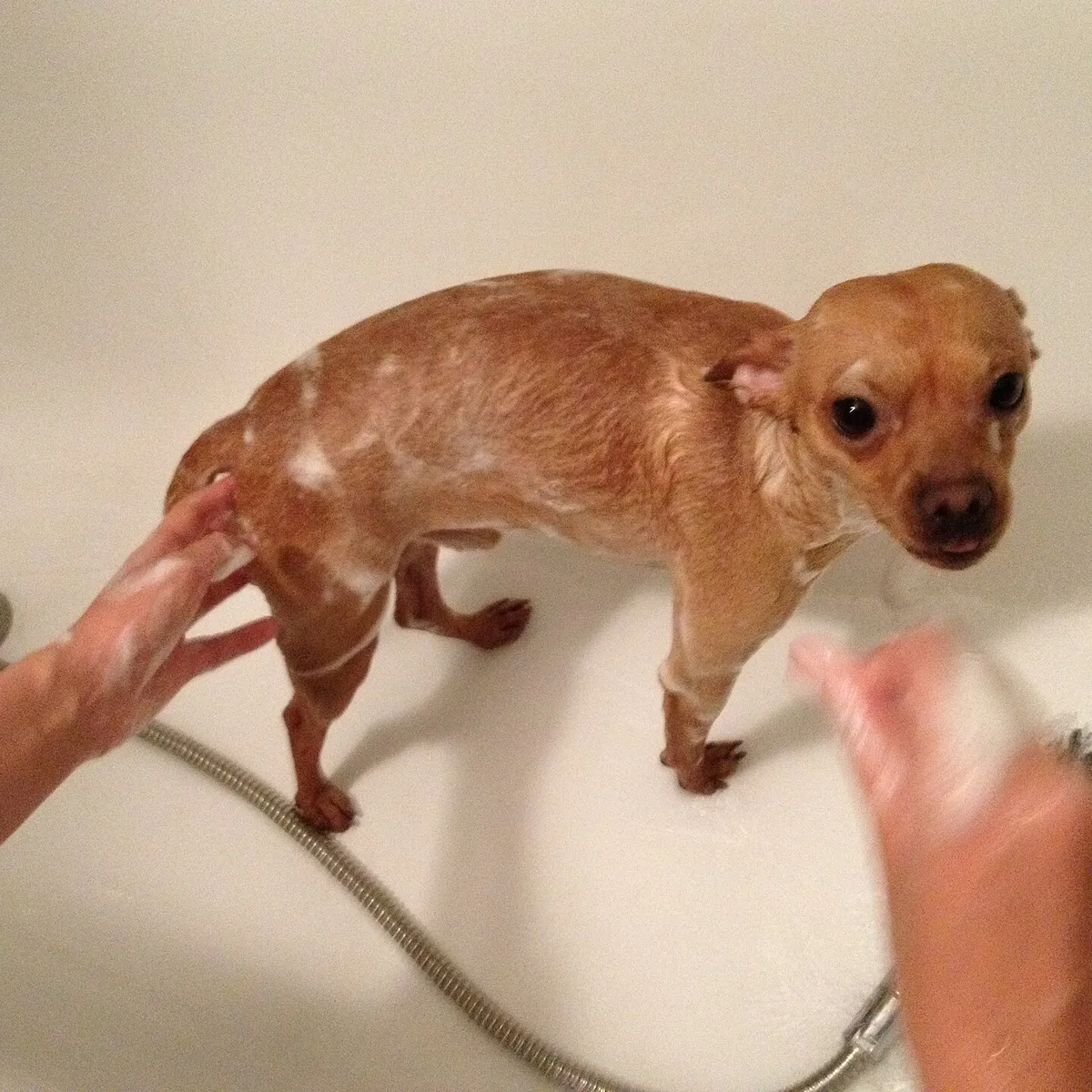
Photo: “Pinscher la baie” by Florescu Ioana at Romanian Wikipedia, public domain, cropped.

Not a substitute for your vet
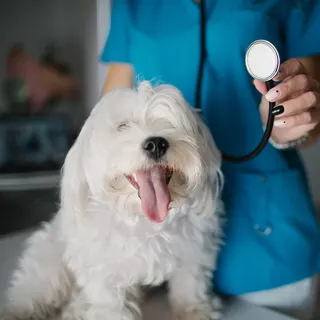
This guide is general information for healthy adult dogs. Every dog is different — age, size, allergies and health conditions all matter. Ask your veterinarian before changing your dog’s diet or care.
Possible poisoning? US: ASPCA Animal Poison Control (888) 426-4435 or Pet Poison Helpline (855) 764-7661 (fees may apply). Elsewhere: call your vet or nearest emergency animal hospital right away.
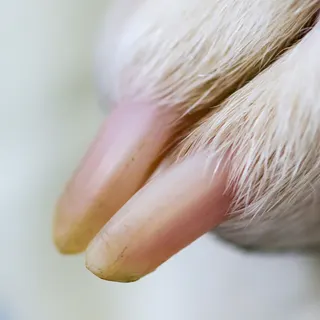 Up next How Short Should Dog Nails Be? The Floor Test + Step-by-Step Trim
Save this for later — pin it to your dog board so you can find it fast.
Pin itKeep reading
-
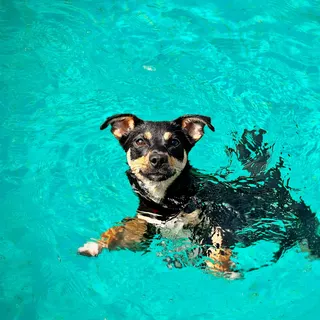
How to Keep Your Dog Cool in the Heat
The 7-second pavement test, safe walking times, which dogs overheat fastest and the signs of heatstroke — for US and Australian summers.
7-second pavement test before walks -
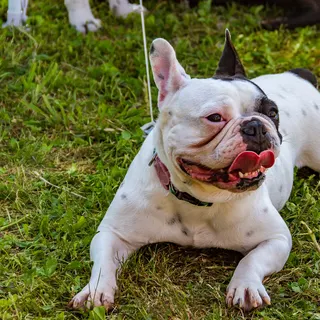
12 Signs Your Dog Is Happy
Soft eyes, a wiggly body, the play bow and more: 12 clear signs your dog is happy, plus the stress signals that are easy to miss.
Loose body, soft eyes, open mouth -
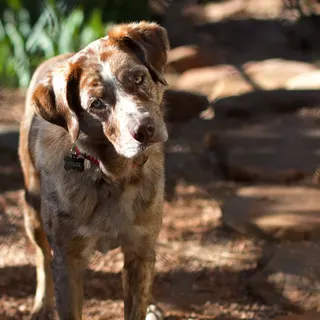
Why Does My Dog Tilt Their Head?
Most head tilts mean your dog is listening hard. A tilt that doesn’t go away, with scratching, head shaking or wobbling, can be an ear or balance problem.
Constant tilt + scratching = see the vet