Can My Dog Eat This? Daily Quiz + A–Z Food List
5 foods a day. Guess Yes, Careful or No before you peek — then come back tomorrow to keep your streak. The full A–Z list is just below.
Loading today’s foods…
New foods tomorrow. Bookmark this page so you don’t lose your streak!
What to do now: the 7 foods your dog should never eat →
For general guidance only — it can’t examine your dog and doesn’t replace your vet. If you’re worried about your dog’s health, talk to your veterinarian.
Can dogs eat it? A–Z list
Type a food to filter the list. Yes = safe for most healthy dogs, plain and in small amounts. Careful = depends on amount, preparation or your dog. No = keep it away.
| Food | Can dogs eat it? | Why |
|---|---|---|
| 🍎 Apple slices | Yes | Fine without the core and seeds (the seeds contain compounds that can release cyanide). |
| 🥑 Avocado | Careful | Very fatty and the pit is a choking/blockage risk. Better skipped. |
| 🥓 Bacon | No | Fatty and salty; can trigger pancreatitis. Not recommended. |
| 🍌 Banana | Yes | A few slices as an occasional treat; bananas are high in sugar. No peel. |
| 🍺 Beer or wine | No | Dogs are far more sensitive to alcohol than people. |
| 🫐 Blueberries | Yes | Small, low-calorie and full of antioxidants. Serve plain and rinsed. |
| 🥦 Broccoli | Careful | Small amounts only — too much can upset the stomach. |
| 🥫 Canned tuna | Careful | Occasionally, packed in water, no salt. Not as a regular food. |
| 🍈 Cantaloupe | Yes | Flesh only, no rind or seeds. Sweet, so keep it small. |
| 🥕 Carrots | Yes | Crunchy and low in calories. Cut into sticks or coins to avoid choking. |
| 🥜 Cashews | Careful | A few plain, unsalted cashews occasionally. High fat. Never in mixes with macadamias. |
| 🥬 Celery | Yes | Low calorie and crunchy. Cut into small pieces — the strings can be a choking risk. |
| 🧀 Cheese | Careful | Small pieces of plain cheese are usually OK, but it’s fatty and some dogs don’t digest dairy. |
| 🍒 Cherries | Careful | The pits, stems and leaves are dangerous. Pitted flesh in tiny amounts only — easier to skip. |
| 🌿 Chives | No | An allium like onion and garlic — keep it out of dog food. |
| 🍫 Chocolate | No | Contains theobromine and caffeine. Dark and baking chocolate are the worst. |
| ☕ Coffee | No | Caffeine (including grounds and tea bags) can cause a racing heart and tremors. |
| 🦴 Cooked bones | No | Brittle — they splinter and can choke, cut or block the gut. |
| 🥚 Cooked eggs | Yes | Fully cooked, no butter or salt. Raw eggs carry a salmonella risk. |
| 🐟 Cooked salmon | Yes | Cooked and boneless. Never raw salmon, and skip smoked or salted. |
| 🍠 Cooked sweet potato | Yes | Cooked and plain, in small amounts. Never raw. |
| 🌽 Corn kernels | Careful | Plain kernels are fine. The cob is NOT — it’s a common cause of blockages. |
| 🌽 Corn on the cob | No | Cob pieces often get stuck in the intestines. |
| 🥒 Cucumber | Yes | Hydrating and very low in calories. Slice it small. |
| ⚡ Energy drinks | No | Packed with caffeine — and sometimes xylitol. |
| 🧄 Garlic | No | Same family as onion; toxic in all forms, including powder. |
| 🍇 Grapes | No | Can cause sudden kidney failure. No known safe amount — call your vet if eaten. |
| 🫛 Green beans | Yes | Plain green beans (no salt) are a filling, low-calorie snack. |
| 🍖 Ham | No | Very fatty and salty — a classic trigger for pancreatitis. Not recommended. |
| 🌰 Macadamia nuts | No | Can cause weakness, tremors, vomiting and fever. |
| 🥭 Mango | Yes | Peeled flesh in small amounts. Never the pit — it’s a choking hazard. |
| 🥛 Milk | Careful | Many adult dogs are lactose intolerant — it can cause diarrhea. |
| 🦠 Moldy leftovers | No | Some molds make toxins that can cause tremors and seizures. |
| 🧅 Onion | No | Damages red blood cells — raw, cooked or powdered. |
| 🍊 Orange | Careful | A segment or two, no peel or seeds. Acidic and sugary for some dogs. |
| 🥜 Peanut butter | Careful | Only if it has NO xylitol (“birch sugar”). Unsalted, and just a little — it’s high in fat. |
| 🍐 Pear slices | Yes | Fine without the core and seeds. |
| 🟢 Peas | Yes | Plain green peas (fresh or frozen) are fine. Skip salty canned peas. |
| 🍍 Pineapple | Yes | A few chunks of fresh pineapple. No skin or core. Canned in syrup is too sugary. |
| 🍞 Plain bread | Careful | A small piece of plain bread is fine but empty calories. Never raisin or garlic bread. |
| 🍗 Plain cooked chicken | Yes | Boneless, skinless and unseasoned — a great training treat. Never cooked bones. |
| 🥣 Plain oatmeal | Yes | Cooked with water, no sugar, chocolate or raisins. |
| 🍿 Plain popcorn | Careful | Air-popped and plain only. No butter or salt, and no unpopped kernels. |
| 🎃 Plain pumpkin | Yes | 100% pumpkin, cooked or canned. Not pie filling, which has sugar and spices. |
| 🍚 Plain rice | Yes | Plain cooked rice is gentle on the stomach — a side, not a meal. |
| 🦃 Plain turkey breast | Yes | Lean, plain and boneless. No skin, gravy or stuffing. |
| 🥄 Plain yogurt | Careful | Plain, unsweetened, small spoonful. Check for xylitol in “light” yogurts. |
| 🟤 Raisins | No | Dried grapes — just as dangerous, and more concentrated. |
| 🫓 Raw bread dough | No | Keeps rising in the stomach and produces alcohol. |
| 🍅 Ripe tomato | Careful | A little ripe red tomato is OK. The green parts, stems and leaves are not. |
| 🍤 Shrimp | Careful | Cooked, plain and peeled, occasionally. Shells and seasoning are a problem. |
| 🍓 Strawberries | Yes | Sliced, in moderation — they contain natural sugar. |
| 🍬 Sugar-free gum | No | Often contains xylitol, which can crash a dog’s blood sugar fast. |
| 🍉 Watermelon | Yes | Seedless flesh only — no rind, no seeds. |
| 🥒 Zucchini | Yes | Plain raw or cooked zucchini is a light snack. |
The 3 rules for sharing food with your dog
- Plain only. Most problems come from what’s added: salt, butter, oil, onion, garlic, sugar, sweeteners and spices.
- Small amounts. Treats and extras should stay under about 10% of your dog’s daily calories. Use the dog food calculator to find that number.
- One new food at a time. Watch for vomiting, diarrhea, itchiness or gas over the next day.
Why “Careful” foods are tricky
Many foods aren’t toxic but can still cause trouble. Peanut butter is a favorite — until you pick a jar with xylitol. Corn kernels are fine, but the cob causes blockages. Cheese is a great training treat for one dog and an upset stomach for another. When a food is on the Careful list, read the reason, serve a tiny amount the first time, and ask your vet if your dog has allergies, a sensitive stomach, pancreatitis, diabetes or kidney disease.
For the foods that are a hard no, read 7 foods your dog should never eat and part 2. For the good stuff, see 15 human foods dogs can eat.
Frequently asked questions
Does the daily quiz change every day?
Yes. Every day there are 5 new foods, picked automatically from our list. Everyone gets the same 5 on the same day, so you can compare scores with friends.
What do Yes, Careful and No mean?
Yes means safe for most healthy dogs when served plain and in small amounts. Careful means it depends — on the amount, how it’s prepared or your dog. No means toxic or risky enough that you should keep it away from your dog.
Is my streak saved?
Your streak is saved only in this browser on this device. If you clear your browsing data or switch phones, it starts again.
My dog already ate something on the No list. What do I do?
Call your vet or an emergency clinic right away, even if your dog seems fine. In the US you can also call ASPCA Animal Poison Control at (888) 426-4435 or the Pet Poison Helpline at (855) 764-7661 (fees may apply).
Read next
-
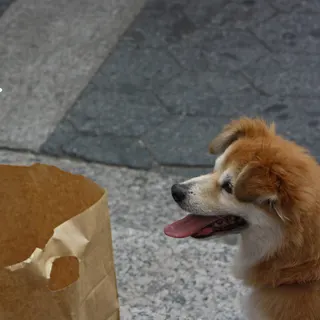
7 Foods Your Dog Should Never Eat
Chocolate, grapes, xylitol, onions and more: the 7 most dangerous everyday foods for dogs, why they’re toxic and what to do if your dog eats one.
Chocolate, grapes, xylitol, onions & more -
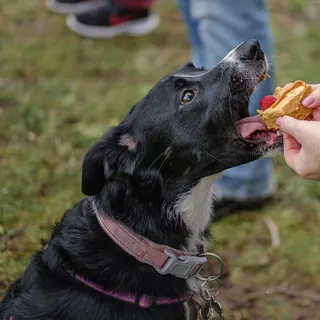
15 Human Foods Dogs Can Eat
Chicken, carrots, blueberries, pumpkin and more: 15 everyday foods that are safe for most dogs, with portion tips and the mistakes to avoid.
Plain, small amounts, ≤10% of calories -

Can Dogs Eat Grapes? No.
Grapes and raisins can cause sudden kidney failure in dogs, even in small amounts. Learn the signs, what to do right away, and safer fruit swaps.
No known safe amount — call your vet